No alcohol
Medium
Boozy

| 1⁄2 fresh | Lime (fresh) (chopped) |
| 3 barspoon | Powdered sugar (white sugar ground in mortar and pestle) |
| 3⁄4 fl oz | Chilled water/mineral water (omit if using wet ice) |
| 2 fl oz | Cachaça (unaged) (from freezer) |
Serve in a Highball (max 10oz/300ml)
We don't have enough information to calculate the alc./vol., but based on known ingredients, this recipe contains at least:
The name Caipirinha translates as "country little girl", and this cocktail emerged from the countryside of São Paulo state. There are many stories of its origin; one traces it back to sailors who used to drink citrus juices with spirit to ward against scurvy but adopted cachaça instead of rum when they arrived in Brazil.
Another version recounts that in the early 20th century, it was common to consume a mix of cachaça, lime, honey and garlic due to the Spanish flu outbreak in the country. Over time, this medicinal drink arrived at the port of Santos where it came to be called "Caipirinha", since the main ingredient, cachaça, usually came from Piracicaba in the countryside of São Paulo.
Much of Brazil's population is poor, and locally produced cachaça is cheap. Since the Millennium, premium brands of cachaça have emerged, but even these are cheap compared to foreign imported spirits. Cachaça is the spirit of the Brazilian people, and it's mainly consumed mixed in Caipirinhas.
If you are European or in North America, you're probably used to this drink being served with crushed ice, but until you have tried it with small cubes or cracked ice, you have not properly experienced a Caipirinha. Be sure to muddle the lime and sugar well and stir both before adding ice and after.
7th September 2026 is Brazilian Independence Day

Makes a minimum of 12.5 cocktails.
Shipping and applicable tax calculated at checkout.
Orders are processed by a licensed Fulproof retailer. The buy now button is added simply for convenience.
* May not include all ingredients. Price per cocktail is an estimate based on cost of one cocktail with ingredients shown above and does not include shipping.

Triple sec is an enduring mainstay of the cocktail bar, a key ingredient in classics such as the Corpse Reviver, Margarita, Sidecar and the White...
View more
From a B52 to an Espresso Martini, coffee liqueur may not feature in as many cocktails as some other liqueurs, but it seems to play an essential role...
View more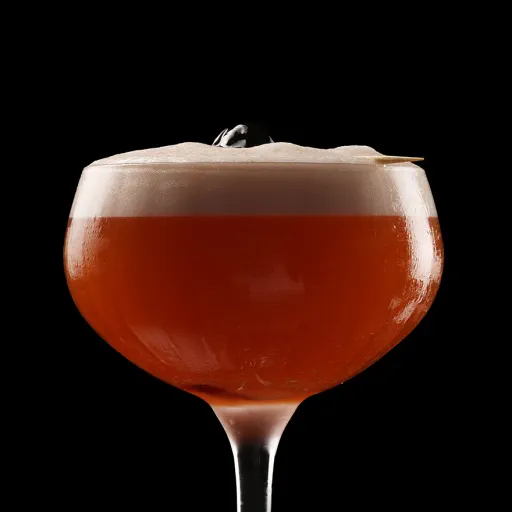
A delicately bittersweet Tequila Sour.
View more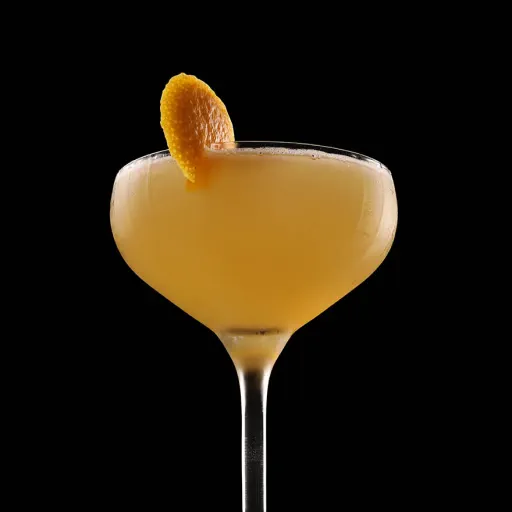
A Scotch whisky sour that's set apart by the clever use of manzanilla sherry, which tones and brightens, while peach bitters add complexity.
View more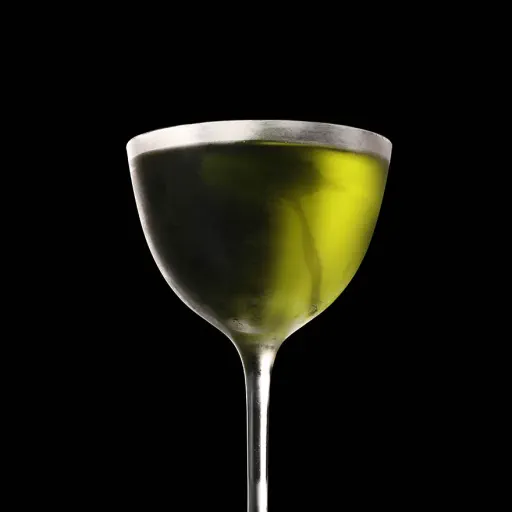
This attractive, pale-green, minty-fresh cocktail is best enjoyed as a late-night after-dinner freshener.
View more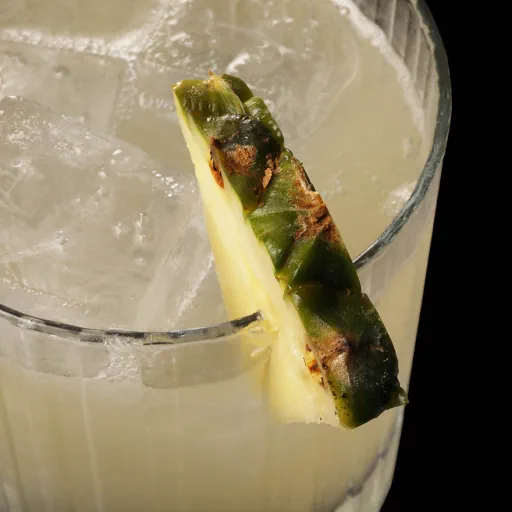
Rum-based "Tropical Curaçao" and a splash of mellowing reposado tequila; add to this Mezcal Margarita.
View more

Comments & Discussion
My husband will read me the steps or I won't be able to follow lol
Showing the first 10 of 17 comments.
View 17 comments and discussion